

 +44 7596 946261

Fire Door Inspection: Essential Safety Guide
Every fire door is a barrier between safety and catastrophe - but only if it works. In the UK, fire door inspection is both a legal requirement and a fundamental act of responsibility towards the people inside your building. Whether you manage a portfolio of housing association properties or a single commercial block, this guide gives you everything you need: what inspectors look for, what findings mean, and how to act on them.
Built for Property Professionals
Designed for owners and managers across the United Kingdom, this is your definitive resource on fire door inspection - from basic regulatory context to the practical steps that keep your buildings protected and compliant.
The Stakes Are Real
Neglect in fire door maintenance costs lives and exposes managers to serious legal liability under UK fire safety legislation. This guide helps you get ahead of both risks.
What Is Fire Door Inspection and Why Does It Matter?
Fire door inspection is a structured, methodical assessment of every passive fire protection component in a door assembly - seals, hinges, closers, frames, and signage. Its purpose is straightforward but vital: to verify that each door will perform as designed when fire breaks out, slowing the spread of flames and smoke long enough for occupants to evacuate safely.
The Life-Safety Stakes
A single defective door can compromise an entire building's compartmentation strategy. That is why regular fire door inspection is not a box-ticking exercise - it is a direct intervention in risk. Common failures uncovered during assessments include:
- Damaged intumescent seals that no longer expand under heat to block smoke.
- Faulty closing mechanisms that leave a door ajar during an emergency.
- Missing or worn fire-resistant materials that reduce the door's rated integrity.
A Legal and Moral Obligation
Beyond the immediate danger, neglected fire doors expose property owners to significant liability under UK fire safety legislation. Proactive fire door inspection converts a latent hazard into a documented, manageable risk - protecting lives, property, and legal standing in one structured visit.
Legal Requirements for Fire Door Inspection in the UK
UK fire safety law doesn't leave fire door inspection to chance. It places a clear legal duty on responsible persons - landlords, employers, and building managers - to ensure fire doors are maintained, inspected, and fully operational at all times.
The 2005 Order Explained
The Regulatory Reform (Fire Safety) Order 2005 requires responsible persons to conduct regular fire risk assessments and maintain adequate fire protection measures throughout their premises. Fire doors fall squarely within this obligation, making routine assessment a legal - not optional - practice.
Strengthened Duties After 2021
The Fire Safety Act 2021 extended those responsibilities explicitly to structures, external walls, and flat entrance doors in multi-occupied residential buildings. It confirmed that fire door inspection is not a recommendation - it is a statutory requirement. Non-compliance can result in enforcement notices, prosecution, and unlimited fines, exposing property owners and managers to serious legal and financial consequences.
How Often Should Fire Door Inspection Be Carried Out?
Inspection frequency is not one-size-fits-all - it depends directly on how much traffic a door handles and the risk level of its location. High-traffic doors, such as those in communal stairwells or main corridors, demand fire door inspection every six months to catch accelerated wear before it compromises compartmentation.
Annual vs. Six-Month Checks
Lower-risk doors in quieter areas typically require annual fire door inspection, though this baseline should never be treated as a ceiling. Certain events always trigger an immediate check, regardless of schedule:
- Any visible physical damage, including dents, cracks, or broken seals, warrants inspection without delay.
- Modifications or repairs to the door, frame, or hardware must be followed by a professional fire door inspection.
- A fire or flood event affecting the door demands reassessment before it is returned to service.
Staying Ahead of Compliance
A structured inspection schedule keeps buildings aligned with UK fire safety legislation and ensures that deterioration is caught early - not during an emergency.
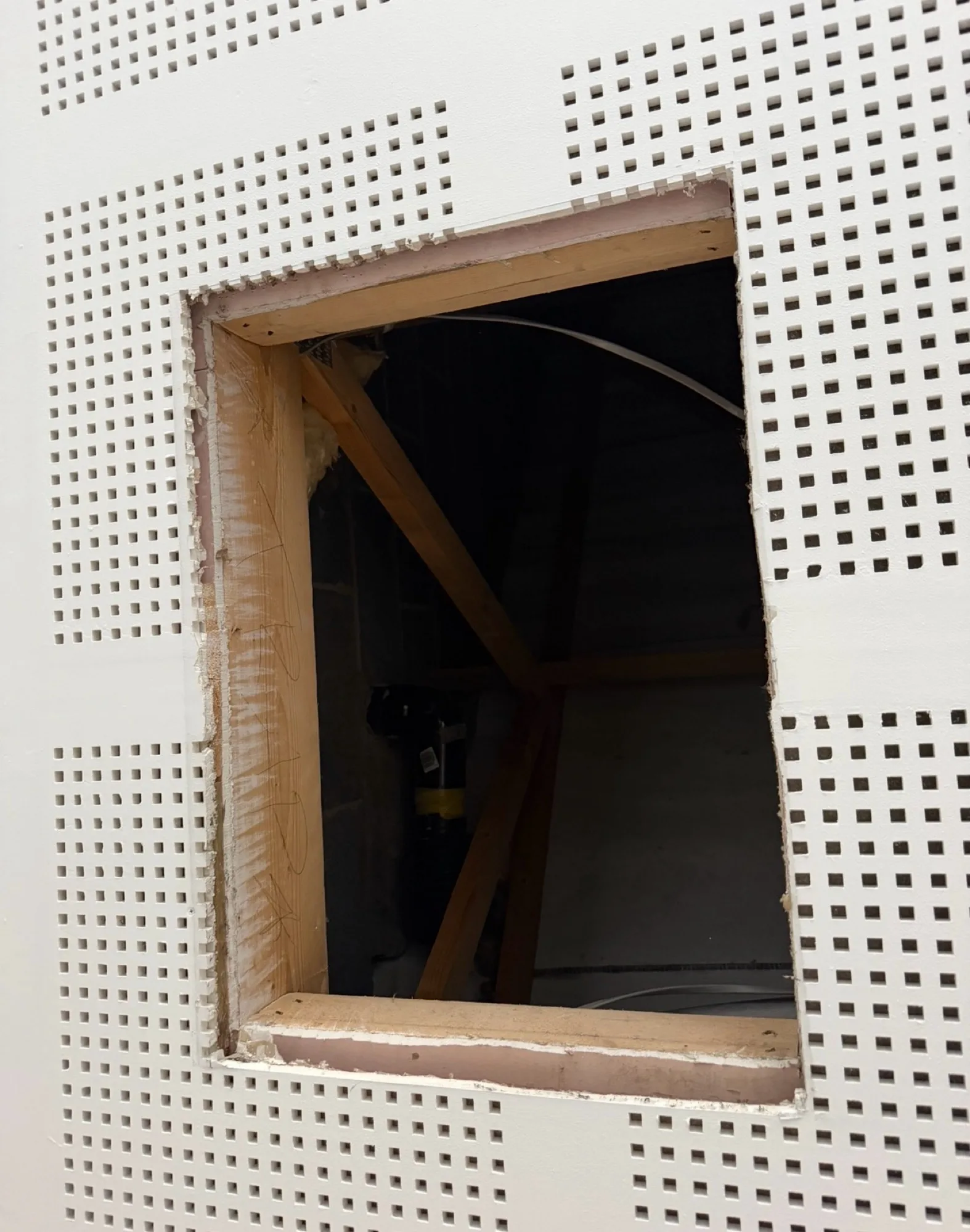
Key Components Assessed During a Fire Door Inspection
A fire door inspection goes far beyond a quick visual check. Every component plays a distinct role in maintaining compartmentation - the system that prevents fire and smoke from spreading between building zones. Inspectors assess each element against current fire safety standards to ensure nothing undermines the door's certified performance.
Leaf, Frame, and Seals
The door leaf must be free from damage, warping, or unauthorised modifications. The frame is checked for gaps, looseness, and correct fitting. Intumescent and smoke seals - frequently overlooked - are critical: they expand under heat to close the perimeter gap and block toxic smoke infiltration.
Hardware, Glazing, and Signage
Every fire door inspection covers hinges for correct grade and secure fixation, and door closers for reliable, unobstructed return to the latched position. Where glazing is present, only certified fire-rated glass is acceptable. Compliant signage must also be clearly visible - a legal requirement that is often absent or worn beyond recognition.
Common Defects Uncovered by Professional Fire Door Inspection
Not every fire door defect is visible to the untrained eye - yet each one can mean the difference between a door that holds back fire for thirty minutes and one that fails within seconds. Systematic fire door inspection reveals the issues that routine walkthroughs consistently miss.
Seals That No Longer Protect
Intumescent seals are among the most common casualties of daily use. Over time, they compress, crack, or detach entirely, losing the ability to expand and seal gaps under heat. Cold smoke seals fare no better - when missing or degraded, toxic smoke penetrates door gaps long before flames ever arrive.
Frames, Closers, and Alignment
Fire door inspection also uncovers misaligned frames that prevent doors from sitting flush in their rebates, and failed self-closing mechanisms that leave doors propped open - directly undermining compartmentation. Individually, these faults seem minor. Combined, they render an entire fire door assembly functionally useless when it matters most.
The Fire Door Inspection Process: Step by Step
A professional fire door inspection follows a clear, structured sequence designed to leave nothing to chance. The process begins with a visual assessment of the door leaf, frame, and surrounding structure, checking for physical damage, warping, or signs of wear that could compromise compartmentation.
Measuring Gaps and Hardware
Inspectors then move to precise gap measurement - checking clearances around the door edges against recognised tolerances - before examining seals, hinges, and intumescent strips for deterioration. Each component is assessed individually, since even a single faulty seal is enough to undermine an entire assembly.
Functional Testing and Reporting
The closer is tested for smooth, complete self-closure from any open position - one of the most common failure points identified during fire door inspection. All findings are compiled into a detailed condition record, documenting each door's status and any remedial works required, giving property managers a clear, actionable roadmap for achieving full compliance.
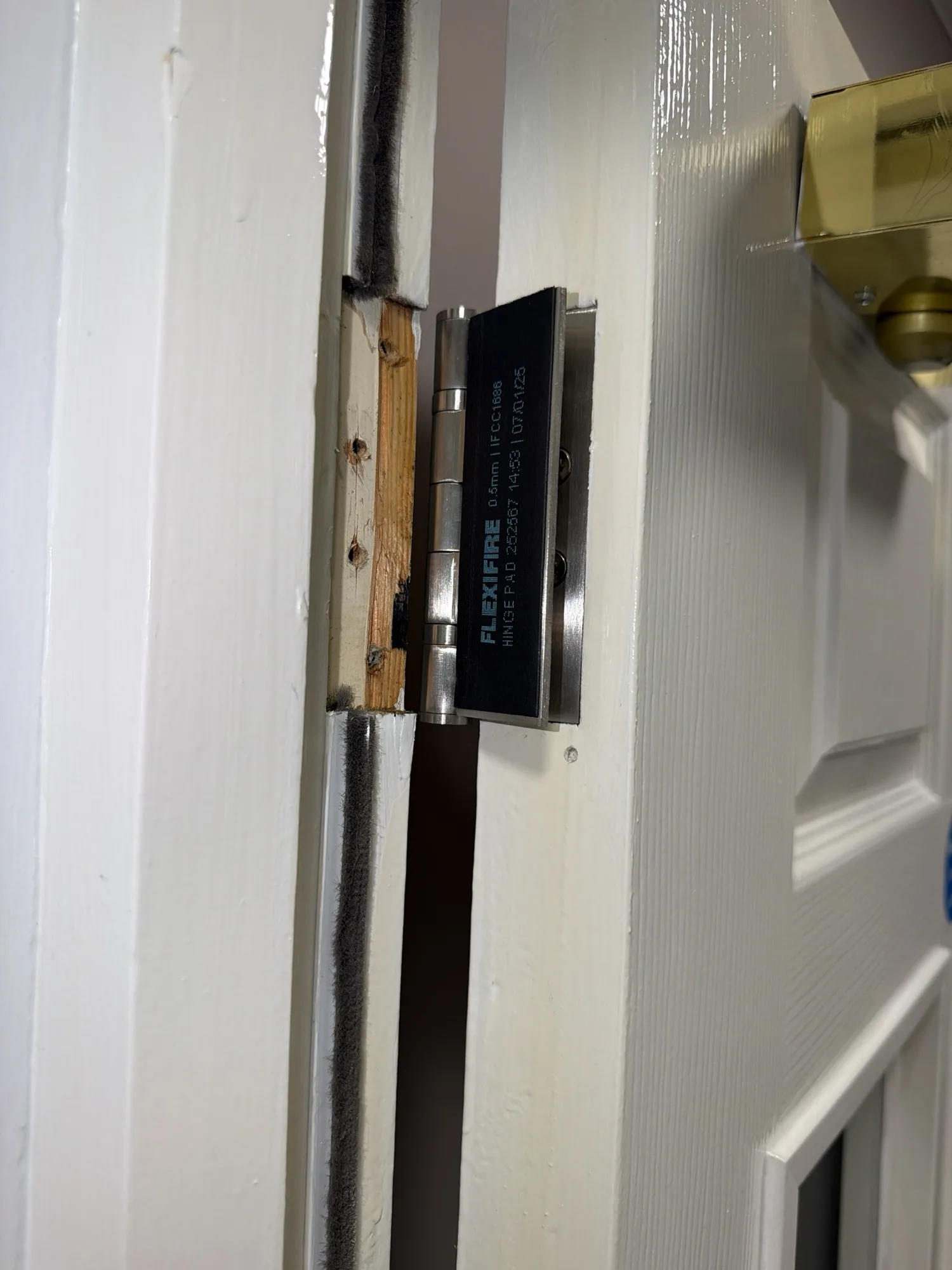
Fire Door Inspection Reports: What to Expect
After a fire door inspection, you receive more than a pass/fail verdict - you get a structured document built for action. Each door is catalogued by its precise location, giving property managers a clear, navigable record from day one.
Inside the Inspection Report
A thorough fire door inspection report typically includes:
- Each door is assigned a unique reference tied to its exact location within the building.
- Defects are documented with photographic evidence, removing ambiguity about what was found.
- A risk rating prioritises which issues require the most urgent attention.
- Required remedial works are specified clearly, so contractors know exactly what action is needed.
From Findings to Next Steps
This structured format transforms raw findings into a practical remediation plan. Property managers receive precise, actionable instructions - making it straightforward to commission repairs and demonstrate compliance. A fire door inspection report is ultimately the foundation of every effective fire safety strategy.
Remedial Works Following a Fire Door Inspection
A completed fire door inspection is only as valuable as the action it triggers. When findings reveal defects, remedial works must begin promptly - carried out by competent operatives, not general maintenance staff. Prioritisation is essential:
- Replace damaged or missing intumescent seals to restore smoke containment performance.
- Repair or replace faulty closers that prevent the door from latching securely.
- Rectify frame damage or incorrect ironmongery that undermines the certified fire-resistance rating.
Only Competent Operatives
Unqualified repairs can invalidate a door's fire resistance certification outright, creating a compliance failure worse than the original defect. Every remedial task must meet the manufacturer's specification and relevant British Standards.
Confirm, Verify, Sign Off
A follow-up fire door inspection confirms that all corrective works have been completed correctly, restoring each door to its certified standard and keeping your building fully protected and compliant.
Fire Door Inspection for Housing Associations and Property Managers
Housing associations and property management companies operate under intense scrutiny when it comes to fire safety compliance. Managing dozens - sometimes hundreds - of residential units means that a single overlooked defect can translate into legal liability, failed audits, or, worse, a preventable tragedy. Scheduled fire door inspection programmes are the most effective way to stay ahead of these risks, providing documented evidence that duty-of-care obligations are being consistently met.
Reducing Liability Through Records
Every inspection generates a precise report detailing each door's condition and any remedial works required. This paper trail is invaluable during insurance reviews, regulatory audits, or legal proceedings - demonstrating that property managers acted proactively rather than reactively.
Protecting Occupants, Protecting Your Portfolio
Regular fire door inspection catches damaged seals, faulty closers, and non-compliant installations before they escalate into costly emergency repairs or enforcement notices. For organisations managing properties across the UK, partnering with experienced specialists transforms compliance from a burden into a clear, manageable process.

How to Choose a Qualified Fire Door Inspection Provider
Not all providers deliver the same standard of work. When commissioning a fire door inspection, the first filter should be accreditation - look for inspectors holding recognised qualifications, such as FDIS certification, or those operating under a third-party certified scheme. Accreditation signals that a provider's methodology meets independently verified standards, not just their own claims.
Experience Across Building Types
A qualified provider should demonstrate hands-on experience across diverse properties - residential blocks, commercial premises, and mixed-use developments each present distinct challenges. Ask for references from housing associations or property managers to gauge real-world competence before signing any contract.
Reporting That Drives Action
The quality of fire door inspection documentation matters as much as the inspection itself. Insist on audit-ready reports that itemise every defect with clear remediation priorities. Look for:
- Photographic evidence linked to each door's unique reference number.
- Compliance gaps mapped to specific fire safety legislation applicable in the UK.
- Remedial recommendations ranked by urgency and scope of works required.
The Cost of Neglecting Regular Fire Door Inspection
Deferred maintenance rarely saves money - it shifts the cost forward and multiplies it. When fire door inspection is skipped or postponed, consequences escalate quickly from administrative to financial to life-threatening. Local fire authorities can issue enforcement notices demanding immediate remediation, leaving housing associations and property managers scrambling under tight statutory deadlines. Insurers, meanwhile, increasingly treat uninspected fire doors as a material breach of policy terms - voiding coverage precisely at the moment it is needed most.
Emergency Repairs Cost Far More
Routine fire door inspection catches deteriorating seals, faulty closers, and damaged frames before they require emergency intervention. Once an enforcement officer flags non-compliant doors across multiple floors, replacement costs can multiply tenfold compared to a scheduled assessment. The financial logic is straightforward: inspect regularly or pay far more later.
Fire Spreads, Liability Follows
Without properly maintained doors, compartmentation fails. Fire travels further, casualties increase, and legal liability lands directly on whoever deferred the inspection cycle.
Book a Professional Fire Door Inspection with MZ FIRE LIMITED
With over eight years of specialist experience, MZ FIRE LIMITED delivers thorough fire door inspection services across the UK - from Banbury to the Scottish border. Housing associations, property managers, and building owners trust our meticulous approach to identify defects before they become liabilities.
Expert Reports, Actionable Results
Every fire door inspection we conduct produces a precise, detailed report outlining each door's condition, compliance status, and the remedial works required to restore full protection. No vague findings - only clear, prioritised recommendations your team can act on immediately.
One Call Away
Protecting your building occupants starts here. Reach out to MZ FIRE LIMITED to schedule your fire door inspection and benefit from expert consulting delivered with the reliability your property deserves. Don't wait for a compliance failure to become a crisis - contact us today.

Najczęściej zadawane pytania
What exactly is a fire door inspection, and why is it so important?
A fire door inspection is a structured, methodical assessment of every component in a door assembly - including seals, hinges, closers, frames, and signage. It verifies that each door will perform as designed when fire breaks out, slowing the spread of flames and smoke to allow occupants to evacuate safely. A single defective door can compromise an entire building's compartmentation strategy, making regular inspection vital for life safety.
What are the main legal requirements for fire door inspection in the UK?
Under the Regulatory Reform (Fire Safety) Order 2005, responsible persons - such as landlords, employers, and building managers - must conduct regular fire risk assessments and maintain adequate fire protection measures, including fire doors. The Fire Safety Act 2021 further extended these requirements explicitly to structures, external walls, and flat entrance doors in multi-occupied residential buildings, making fire door inspection a statutory requirement rather than an optional practice.
What are the most common fire door failures that inspectors discover?
Common failures uncovered during fire door assessments include damaged intumescent seals that no longer expand under heat to block smoke, faulty closing mechanisms that leave a door ajar during an emergency, and missing or worn fire-resistant materials that reduce the door's rated integrity. These defects directly threaten the building's fire safety system and occupant evacuation routes.